Every Cape Coral homeowner replacing a water heater ends up asking the same question: stick with a tank, or move to tankless? Both do the same basic job, but they get there differently, they cost differently up front and over time, and our hard water treats them differently too. Here’s how they actually compare for a Southwest Florida home.
How Each One Works
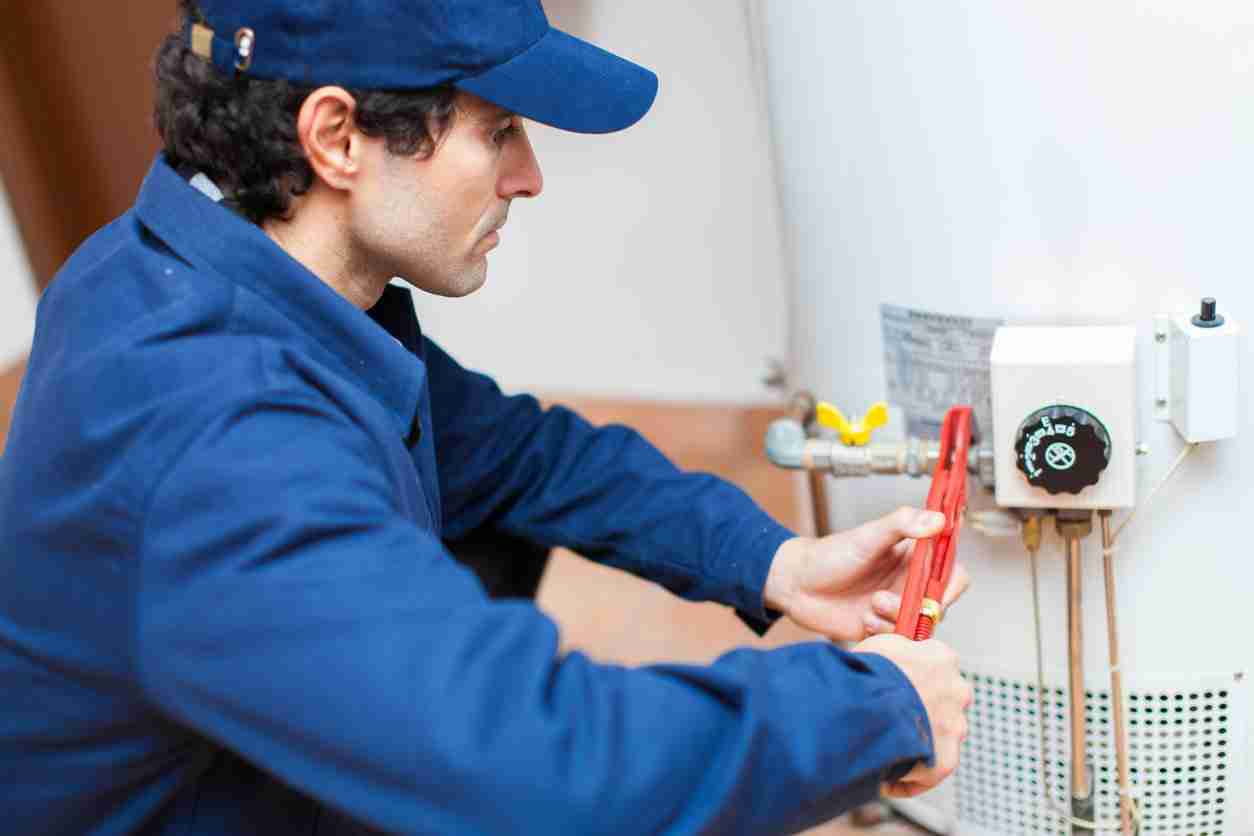
A tank water heater keeps a reservoir of hot water on standby, reheating it as it’s used and as it loses heat while sitting idle. A tankless unit holds no reserve — it heats water on demand as it flows through, typically using a gas burner and a heat exchanger sized for the moment’s demand. That single difference explains most of what follows.
Upfront Cost vs. Long-Term Cost
Tank units cost less to buy and install, which is why they remain the default in most SWFL homes. Tankless systems cost more upfront — the unit itself, plus often larger gas line and venting work — but they only heat water when a tap is open, so they typically run cheaper month to month. Which one wins financially depends on how long you plan to stay in the house and how much hot water your household actually uses.
Hot Water Supply for the Household
A tank has a ceiling — once its stored gallons run out, you wait for recovery. A correctly sized tankless unit doesn’t have that ceiling; it keeps producing hot water as long as the tap is open, which matters for a house that runs the dishwasher, a shower, and laundry at the same time. The tradeoff is that “correctly sized” is doing real work in that sentence — an undersized tankless unit will struggle exactly when a tank would have simply run out gradually instead of all at once.
Hard Water Hits Tankless Units Harder
This is the part that matters most locally. Our groundwater and much of our treated municipal water carry calcium and magnesium hardness, and both heater types scale up from it — but not equally. A tank has a wide reservoir where scale settles mostly to the bottom as sediment. A tankless unit forces water through narrow internal passages in its heat exchanger, and that’s exactly where mineral scale builds fastest, gradually restricting flow and reducing efficiency until the unit needs to be descaled or serviced.
Pairing either system with a water softener slows this down substantially. It’s close to mandatory with tankless if you want to avoid annual descaling appointments, and it still meaningfully extends a tank unit’s life by protecting the anode rod and reducing sediment buildup on the tank bottom.
Lifespan and Maintenance
- Tank units typically last around 8 to 12 years and need an annual flush to clear sediment, plus periodic anode rod checks.
- Tankless units can run 20 years or more with proper care, but that care includes periodic descaling — more frequent in a hard-water, no-softener home than in a softened one.
- Either type benefits from an annual professional check, especially heading into a season with a full house of guests.
Installation Considerations Around Cape Coral
Tankless units are often mounted outdoors or in a garage to save interior space, which means salt air and humidity become part of the equation — hardware and venting need to hold up to a coastal environment, not just an inland one. Gas line sizing also matters more with tankless, since the unit draws a higher instantaneous BTU load than a comparable tank model, and an undersized gas line will leave the unit unable to hit its rated output no matter how well everything else is installed. Venting has to be run correctly too, since a tankless unit’s exhaust setup is different from a standard tank’s.
A traditional tank, by contrast, is a simpler installation in most cases — it just needs a code-compliant location with proper clearance, a drain pan if it’s above living space, and a working temperature and pressure relief valve. That simplicity is part of why it remains the lower-cost option to install even before you factor in the price of the unit itself.
Which One Actually Fits Your Household
There’s no universally correct answer here — it depends on how many people are in the house, how much simultaneous hot water use you actually have on a normal day, how long you plan to own the property, and how much upfront cost you’re willing to carry for lower monthly operating expense down the road. A straight swap from an aging tank to a new one is the simpler, cheaper path for a lot of households. Moving to tankless makes more sense for a full house that regularly runs multiple hot water draws at once, or for an owner planning to stay long enough for the lower operating cost to outweigh the higher installation price.
Water Heater Service Across Southwest Florida
West Coast Plumbing & Water Treatment installs and repairs both tank and tankless water heaters for homes in Cape Coral, Fort Myers, Naples, and across SWFL, and we can help you weigh the two against your household’s actual hot water use and water hardness. Free estimates; licensed and insured (FL Lic. CFC 1427865). Call (239) 340-8224 or contact us online.