Punta Gorda has plenty of homes built in the 1970s through the mid-1990s, and a fair number of them are carrying original plumbing that was considered standard at the time but is now understood to be a liability. Polybutylene supply lines and cast iron drains are the two materials that come up most often, and they fail in very different ways — one without warning, the other slowly enough that the warning signs are easy to miss until they aren’t.
Why Polybutylene Fails
Polybutylene is a gray plastic pipe that was widely installed for water supply lines from the late 1970s into the mid-1990s, prized at the time for being cheap and fast to install. The problem shows up years later: chlorine and other oxidants commonly present in municipal water react with the plastic over decades, making it brittle from the inside without any visible warning on the outside. A polybutylene line can look completely intact right up until it ruptures, which is part of why it’s flagged by insurers and disclosed in real estate transactions rather than treated as a minor detail.
Signs of Polybutylene in Your Home
- Dull gray plastic pipe. Typically half an inch to an inch in diameter, often visible where a supply line enters the water heater or runs under a sink.
- Plastic or metal crimp fittings. Polybutylene connects with distinctive crimped fittings rather than the soldered or glued joints used on copper or PVC.
- A construction or replumbing date in the window. A Punta Gorda home built or replumbed between the late 1970s and mid-1990s is worth checking even if nothing has failed yet — the material’s age matters as much as anything you can see.
- Repeated, unrelated pinhole leaks. A pattern of small leaks in different spots over a couple of years, rather than one isolated failure, points to the pipe material itself rather than bad luck.
Cast Iron Drain Lines: A Different Failure Mode
Cast iron drain and sewer pipe fails from the inside out rather than all at once. Years of use build up interior corrosion and scale — a rough, narrowing lining that catches debris and slowly restricts flow — until sections eventually rust through, crack, or in severe cases collapse entirely. Root intrusion at the pipe’s joints is a common companion problem, since those joints are exactly where a compromised section gives roots the crack and moisture they’re drawn to.
How to Know What You’re Actually Dealing With
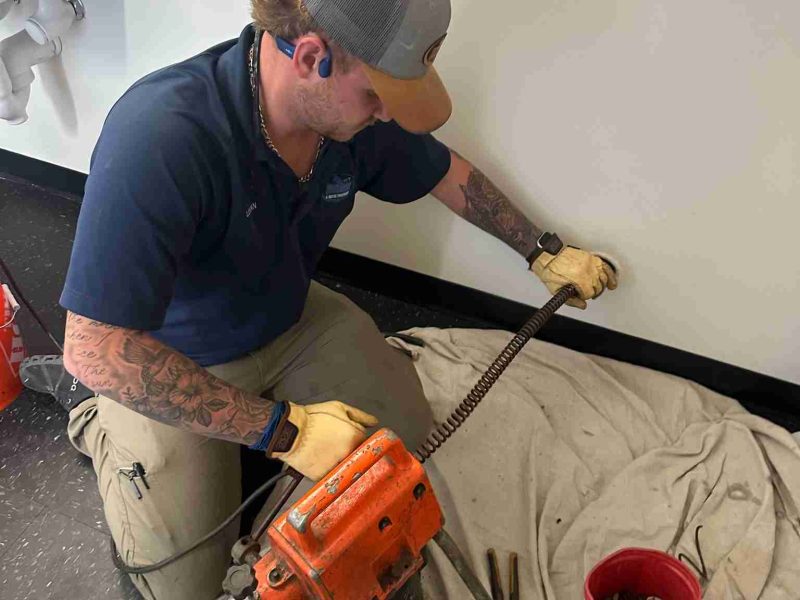
Guessing at the condition of pipe you can’t see is how homeowners end up either replacing more than necessary or ignoring a real problem. A video camera line inspection shows the actual interior condition of a cast iron drain line — the roots, the scale, the cracks — rather than leaving it to inference from symptoms alone. On the supply side, a pattern of repeated pinhole failures across a polybutylene system, tracked through our leak repair visits, is usually the clearest evidence that the material itself, not bad luck, is the problem.
Repair the Leak, or Repipe the House?
A single, isolated failure can be repaired on its own. But once a home has had more than one polybutylene failure, or a camera inspection shows a cast iron line that’s significantly corroded rather than just carrying a clog, patching one section at a time stops making financial sense. A full repipe with modern PEX or copper supply lines resolves the underlying material problem instead of managing it failure by failure.
The process itself is usually less disruptive than homeowners expect. A whole-home repipe of the supply lines is typically completed in a single day, with water restored by evening. Small access openings are sometimes needed in a wall to route and secure the new lines, and those get patched, textured, and left ready for paint before the crew leaves. It’s a real project, but it’s a contained one — nothing close to the scale of tearing out and replacing a slab.
If You’re Buying or Selling
Polybutylene in particular is the kind of thing a home inspection or an insurance underwriter is likely to flag during a sale, and it can affect insurability or premiums even on a home where the pipe has never actually failed. If you’re preparing to list an older Punta Gorda home, or you’re under contract to buy one, it’s worth having the plumbing looked at before it becomes a negotiating point at closing rather than after.
Repiping Older Homes in Punta Gorda
West Coast Plumbing & Water Treatment inspects, repairs, and repipes aging polybutylene and cast iron plumbing for homes throughout Punta Gorda and Southwest Florida. Free estimates; licensed and insured (FL Lic. CFC 1427865). Call (239) 340-8224 or contact us online.